
Why You Need a Cold-Formed Steel Framing Contractor: Steel Framing Contractor Benefits
When it comes to modern construction, efficiency and precision are paramount. Cold-formed steel framing has emerged as a game-changer in the industry, offering durability, speed, and design flexibility. However, to truly harness these advantages, partnering with a specialized cold-formed steel framing contractor is essential. As someone deeply involved in the construction process, I’ve seen firsthand how working with experts who deliver engineered and panelized cold-formed steel framing systems can transform a project from concept to completion.
Understanding the Steel Framing Contractor Benefits
Steel framing contractors bring a wealth of expertise that goes beyond simply assembling materials on-site. Their role is crucial in ensuring that the framing system is not only structurally sound but also optimized for installation efficiency. Here are some key benefits that highlight why their involvement is indispensable:
Engineered Precision: Contractors provide fully engineered framing systems tailored to the architectural and structural requirements of the project. This reduces guesswork and minimizes errors.
Panelized Components: Pre-fabricated panels arrive installation-ready, which accelerates the construction timeline and reduces labor costs.
Coordination and Integration: They work closely with architects and engineers to resolve potential field issues before construction begins, preventing costly delays.
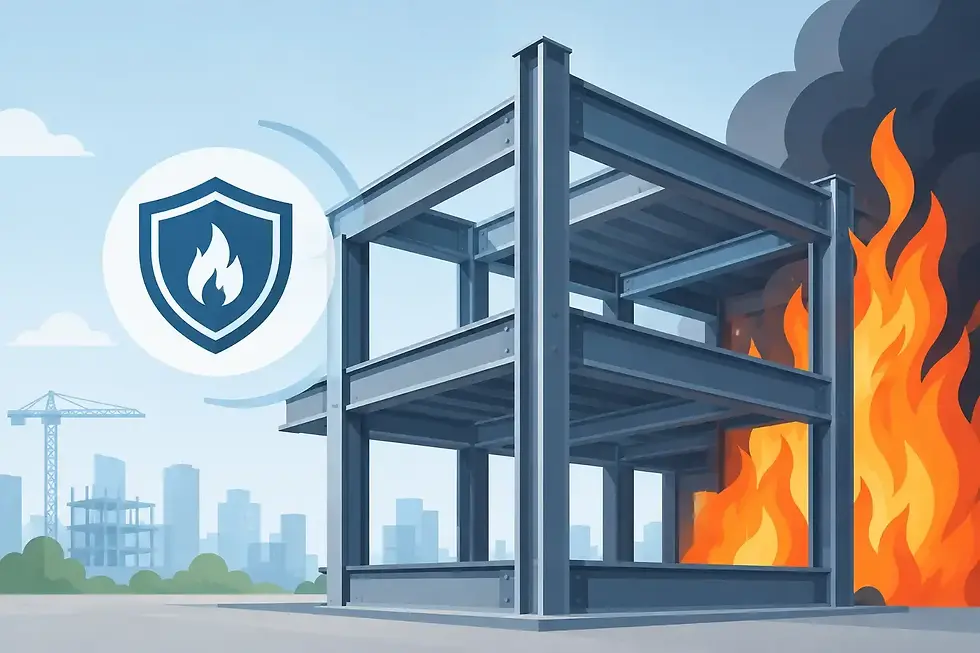
Durability and Sustainability: Cold-formed steel is resistant to pests, fire, and moisture, ensuring a longer-lasting structure with less maintenance.
Cost Efficiency: By reducing waste and rework, these contractors help keep projects within budget.
These benefits collectively contribute to smoother project execution and higher quality outcomes.

How Engineered and Panelized Systems Improve Construction Efficiency
One of the standout advantages of working with a cold-formed steel framing contractor is their ability to deliver engineered and panelized systems. This approach integrates architectural and structural design, creating a seamless workflow that addresses potential challenges upfront.
Engineered Systems
Engineered framing means every component is designed with precision using advanced software. This ensures that each piece fits perfectly, reducing the need for on-site modifications. The benefits include:
Reduced Material Waste: Accurate cutting and fabrication minimize leftover materials.
Improved Structural Integrity: Components are designed to meet or exceed building codes and standards.
Simplified Inspections: Clear documentation and engineered plans make regulatory approvals smoother.
Panelized Systems
Panelization takes engineered components a step further by assembling them into large sections or panels off-site. These panels are then delivered ready for installation, which offers several advantages:
Faster Installation: Panels can be quickly erected, reducing on-site labor time.
Consistent Quality: Factory-controlled environments ensure uniform quality and precision.
Less On-Site Disruption: Reduced noise, dust, and waste improve the jobsite environment.
By combining these systems, contractors can significantly reduce construction timelines and improve overall project quality.

Why Coordination Between Design and Construction Matters
A major challenge in construction projects is the disconnect between design and execution. This often leads to costly rework and delays. A cold-formed steel framing contractor bridges this gap by integrating architectural and structural design with the framing process.
Early Issue Identification
By collaborating early in the project, contractors can identify potential conflicts such as:
Misaligned openings for windows and doors
Structural load inconsistencies
Interference with mechanical, electrical, and plumbing systems
Addressing these issues before construction starts saves time and money.
Streamlined Communication
Contractors act as a liaison between architects, engineers, and builders, ensuring everyone is on the same page. This coordination helps:
Maintain project schedules
Avoid misunderstandings
Ensure compliance with design intent
Enhanced Project Control
With a coordinated approach, project managers gain better control over timelines and budgets. This reduces the risk of surprises during construction and improves client satisfaction.
Practical Recommendations for Choosing the Right Contractor
Selecting the right cold-formed steel framing contractor is critical to realizing the benefits discussed. Here are some actionable tips to guide your decision:
Verify Experience and Expertise
Look for contractors with a proven track record in engineered and panelized cold-formed steel framing projects. Ask for case studies or references.
Assess Engineering Capabilities
Ensure the contractor has in-house engineering resources or strong partnerships to provide fully coordinated framing solutions.
Evaluate Fabrication Facilities
Modern fabrication facilities equipped with advanced machinery can deliver higher precision and faster turnaround times.
Check Project Management Skills
Effective communication and scheduling are vital. Choose contractors who demonstrate strong project management and coordination abilities.
Review Quality Assurance Processes
Quality control measures during fabrication and installation help prevent defects and ensure compliance with standards.
Consider Sustainability Practices
Contractors who prioritize sustainable materials and waste reduction contribute to greener building practices.
By following these recommendations, you can select a contractor who will add value and efficiency to your project.
The Impact of a Cold-Formed Steel Framing Contractor on Project Success
In my experience, partnering with a cold formed steel framing contractor is a strategic decision that directly influences project outcomes. Their expertise in delivering engineered and panelized systems eliminates many common jobsite problems such as delays and rework. This leads to:
Faster Project Completion: Streamlined installation processes reduce construction time.
Lower Costs: Minimizing waste and rework keeps budgets in check.
Higher Quality: Precision engineering ensures structural integrity and compliance.
Improved Safety: Factory fabrication reduces on-site hazards.
Greater Design Flexibility: Steel framing accommodates complex architectural designs.
Ultimately, these advantages help projects move forward more efficiently and with greater confidence.
Choosing the right framing solution is more than just selecting materials - it’s about partnering with experts who understand the nuances of cold-formed steel construction. By leveraging engineered and panelized systems, a specialized contractor can transform your project workflow, delivering superior results on time and within budget. If you want to revolutionize your framing process and avoid common pitfalls, working with a dedicated cold-formed steel framing contractor is the way forward.


Comments