

Guide to Digitally Coordinated Truss Systems
A truss package can look complete on paper and still create weeks of field decisions. A bearing condition shifts. A mechanical run crosses a web. A parapet detail changes after the truss layout is released. The crew then spends time measuring, modifying, waiting for answers, and protecting a schedule that was already tight. This guide to digitally coordinated truss systems explains how to move those decisions upstream, where they cost less and disrupt less.
For commercial teams, digitally coordinated trusses are not simply modeled steel components. They are part of a resolved framing system: designed around actual geometry, coordinated with connected scopes, engineered for the intended loads, fabricated to the approved package, and delivered in a sequence the field can install.
What a Digitally Coordinated Truss System Actually Is
A digitally coordinated truss system starts with a coordinated model and ends with installation-ready components. The truss design is developed in relation to the building structure, wall panels, roof or floor geometry, openings, mechanical zones, bearing lines, connection requirements, and architectural elevations.
That distinction matters. A conventional material order may provide trusses based on a set of drawings, leaving the contractor to reconcile inconsistencies in the field. A digitally coordinated approach treats the truss package as a construction execution scope. The goal is not to ship steel quickly. The goal is to remove uncertainty before steel reaches the jobsite.
In cold-formed steel construction, this typically includes engineered truss layouts, member sizing, web configuration, bearing details, bracing requirements, connection details, panel interfaces, and fabrication data. The package should reflect the latest coordinated project information, not an early drawing set that has already been overtaken by design changes.
Why Truss Coordination Becomes a Schedule Issue
Trusses sit at the intersection of several systems. They transfer loads to walls or structural steel, establish roof or floor geometry, define space for MEP distribution, and often support architectural conditions that tolerate little variation. When any one of those relationships is unresolved, the issue tends to surface during installation.
The cost is rarely limited to a modified member. A field conflict can trigger an RFI, pause a crew, alter a follow-on trade's work, require engineering review, and create a delivery or fabrication change. On multifamily, hospitality, student housing, and senior living projects, that disruption repeats across floors or units.
Digital coordination gives the project team a controlled setting to identify those issues earlier. Model-based review makes it easier to test whether a duct riser clears a truss web, whether a concentrated load lands on a designed bearing point, or whether a sloped roof condition aligns with the exterior wall system. The model does not eliminate every change. It changes when the change is discovered and who must absorb it.
The Core Workflow for Coordinated Truss Systems
The strongest outcomes come from a defined workflow, not from modeling alone. Each phase should produce information that is usable by the next team.
Start with constructability, not takeoff
The first review should examine the structural and architectural intent together. Confirm truss spans, depth constraints, slopes, bearing conditions, load paths, openings, cantilevers, parapets, and transitions between trusses and wall panels. This is also the time to identify details that are technically drawable but difficult to manufacture or install.
Early constructability review gives the general contractor and design team choices while they are still manageable. A shifted bearing line or revised mechanical zone may be a straightforward design decision before engineering is complete. After fabrication begins, the same issue becomes a cost, schedule, and logistics problem.
Coordinate the live building geometry
A usable truss model cannot be developed in isolation. The coordination team needs current backgrounds and a clear process for identifying the model elements that control truss design. Structural framing, wall locations, roof planes, shafts, major MEP runs, ceilings, and facade conditions all affect the final system.
This does not mean every minor clash requires redesign. Teams should focus on clashes that affect structural performance, installation access, code compliance, or follow-on work. The discipline is knowing the difference between visual model noise and a field-stopping condition.
For example, a small clearance issue may be handled through a planned field tolerance. A main duct crossing a truss web at a required elevation cannot. It requires a deliberate solution: a revised truss configuration, a rerouted service, a framed opening, or a different distribution strategy.
Engineer the coordinated solution
Once key geometry and interfaces are resolved, the truss system moves into engineering. Loads, deflection criteria, wind and seismic demands, connections, bridging or bracing, and support conditions must match the coordinated design. Where required, the structural package is prepared for professional review and stamping in accordance with the project's jurisdiction and scope.
Engineering should not be treated as a separate handoff after coordination. If the truss engineer receives incomplete or conflicting information, the engineering cycle recreates the same uncertainty the model was meant to prevent. The coordinated model, calculations, details, and fabrication documents need to tell one consistent story.
Release fabrication only after decisions are closed
Fabrication is where coordination becomes physical. Panel and truss components are manufactured to approved dimensions, member labels, connections, and sequencing requirements. A controlled release process matters because premature fabrication can convert an open question into scrap, rework, or a jobsite workaround.
The practical test is simple: can the installer identify the component, place it in the intended location, make the planned connections, and continue work without inventing a solution? If not, the package is not fully ready for production.
What the Field Should Receive
An installation-ready truss package gives the field more than bundles of steel. It provides organized components and clear information that support predictable installation. Depending on the project, that may include tagged trusses, coordinated layouts, engineered connection details, erection guidance, bracing information, and delivery sequencing aligned with the work plan.
Delivery timing is part of the system. Sending every component at once may appear efficient, but it can overload a constrained site, increase handling, and bury the next-needed pieces. A phased delivery strategy can support floor-by-floor or zone-by-zone installation, particularly on urban or schedule-compressed projects.
The right level of prefabrication depends on transport limits, crane or forklift access, crew capacity, and site storage. Larger assemblies can reduce field labor but may be harder to handle. Smaller components offer flexibility but move more work back to the site. There is no universal answer. The right answer is the one that reduces total project risk, not merely factory time.
Questions General Contractors Should Ask Early
Before buying a truss package, general contractors should establish what is actually included in the supplier's scope. “Engineered trusses” can mean very different things from one provider to another. The critical question is whether the package is coordinated to the building and connected scopes, or simply designed from a partial set of inputs.
Ask who owns model coordination, how design changes are tracked, what information is required before release, and how unresolved conditions are documented. Ask whether wall panels and trusses are developed as one system or as separate orders that must be reconciled later. Also ask how the supplier handles delivery sequencing, field support, and revisions after approved drawings are issued.
These questions are not procurement formalities. They reveal where risk sits. If the answers leave major decisions with the installer, the project has purchased materials and deferred coordination. If the answers show a documented path from review through engineering, fabrication, and delivery, the project is buying greater control.
Where Digital Coordination Produces the Most Value
Digitally coordinated truss systems are especially valuable when repetition, schedule pressure, or system density raises the cost of field variability. Multifamily podium projects, hospitality developments, student housing, senior living, workforce housing, and large commercial builds commonly fit that profile.
The value also increases when the design includes stepped roofs, complex elevations, transfer conditions, large openings, concentrated equipment loads, or extensive MEP distribution. Simple structures benefit from accurate engineering as well, but highly repetitive and highly coordinated projects create more opportunities for early resolution to pay back.
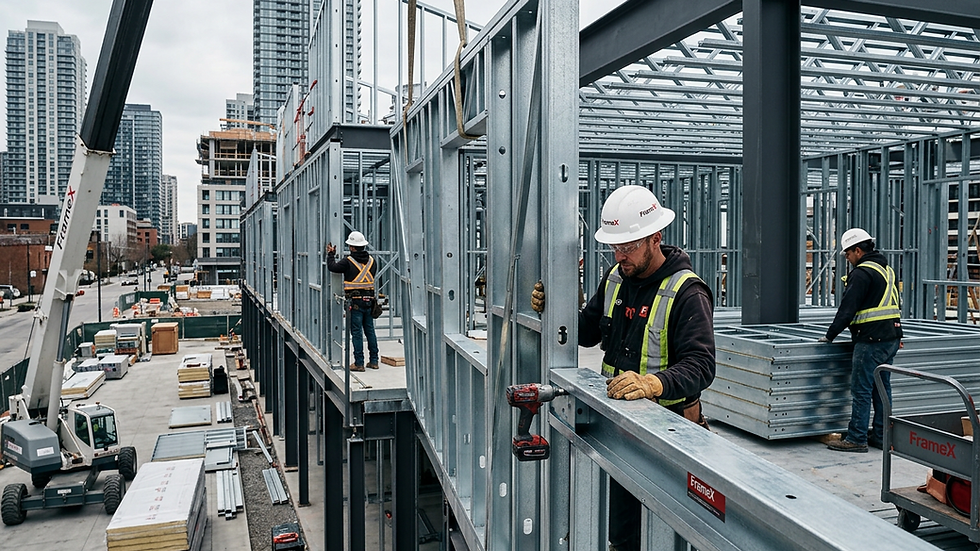
Frame X Systems approaches this work as a complete framing system, combining design assist, constructability review, digital coordination, engineering, panelized manufacturing, and scheduled delivery. That integrated responsibility matters because the team resolving an interface can carry that decision through fabrication instead of passing it downstream.
Make the Model Accountable to Installation
A model is only useful when it produces clearer field action. The objective is not a visually impressive coordination session. It is a truss system with known bearings, resolved interfaces, documented details, identifiable components, and a delivery plan that supports production.
Projects move faster when crews spend their time installing designed work rather than interpreting incomplete intent. Bring truss coordination into preconstruction early enough to influence the building, require decisions to close before fabrication, and hold every digital deliverable to one practical standard: does it make the next day in the field more certain?


Comments