
Streamlining Construction with Cold-Formed Steel Framing Solutions
In the fast-paced world of construction, efficiency and precision are paramount. Traditional framing methods often lead to delays, costly rework, and coordination challenges on site. That is why I am excited to share how cold-formed steel framing solutions are transforming the construction process. By integrating architectural and structural design into fully engineered and panelized systems, we can address potential issues before the project even begins. This proactive approach not only streamlines construction but also enhances overall project quality and speed.
The Advantages of Cold-Formed Steel Framing Solutions
Cold-formed steel framing offers numerous benefits over conventional wood or hot-rolled steel framing. One of the most significant advantages is its lightweight yet strong nature, which allows for easier handling and faster installation. Additionally, cold-formed steel is highly resistant to warping, twisting, and shrinking, common problems with wood framing that can cause misalignment and structural weaknesses.
Another key benefit is the precision engineering involved in cold-formed steel framing solutions. Components are fabricated with exact specifications, ensuring a perfect fit on site. This reduces the need for on-the-spot modifications and minimizes waste. The steel is also non-combustible and resistant to pests, which adds to the durability and safety of the structure.
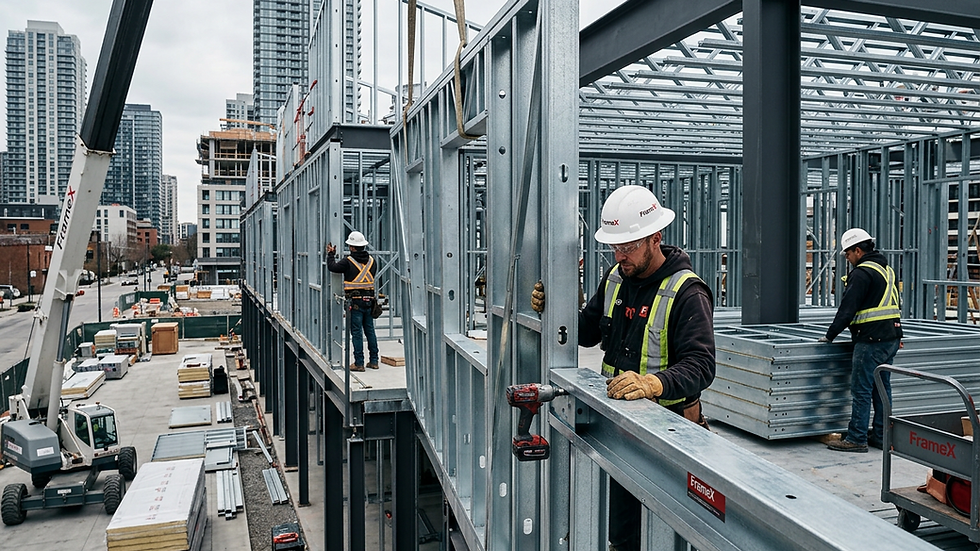
By using panelized systems, entire sections of framing can be pre-assembled in a controlled environment. This means fewer surprises on the jobsite and a smoother workflow. The integration of architectural and structural design ensures that all components work together seamlessly, reducing the risk of conflicts and errors.

How Engineered and Panelized Systems Improve Construction Efficiency
One of the biggest challenges in construction is coordinating between different trades and ensuring that all components fit together as planned. Engineered and panelized cold-formed steel framing systems solve this by providing installation-ready components that are fully coordinated before delivery.
This process begins with detailed 3D modeling that integrates architectural and structural designs. Potential field issues such as misaligned openings, conflicting mechanical runs, or structural inconsistencies are identified and resolved during the design phase. This proactive approach eliminates costly delays and rework during construction.
Once the design is finalized, the framing components are fabricated with precision and assembled into panels. These panels are then delivered to the site ready for installation, significantly reducing on-site labor and construction time. The result is a streamlined workflow that accelerates project schedules and improves overall quality.
For example, in a recent multi-family housing project, the use of panelized cold-formed steel framing reduced framing time by 30% compared to traditional methods. The panels arrived ready to install, and the coordination between trades was seamless, resulting in fewer change orders and a smoother construction process.

Addressing Common Construction Challenges with Cold-Formed Steel
Construction projects often face challenges such as weather delays, material inconsistencies, and labor shortages. Cold-formed steel framing solutions help mitigate these issues in several ways:
Weather Resistance: Unlike wood, steel is not affected by moisture, reducing the risk of mold, rot, and warping. This means framing can proceed even in less-than-ideal weather conditions without compromising quality.
Material Consistency: Steel components are manufactured to strict tolerances, ensuring uniformity and reducing variability that can cause installation problems.
Labor Efficiency: Panelized systems require less skilled labor on site, as much of the complex assembly is done off-site. This helps address labor shortages and reduces the risk of errors during installation.
By tackling these common pain points, cold-formed steel framing solutions help keep projects on schedule and within budget.
Integrating Design and Construction for Optimal Results
A key aspect of streamlining construction with cold-formed steel framing is the integration of design and construction processes. This integration allows for a collaborative approach where architects, engineers, and contractors work together from the outset.
Using advanced Building Information Modeling (BIM) tools, the entire framing system is designed in 3D, allowing all stakeholders to visualize the project and identify potential conflicts early. This collaboration leads to:
Improved accuracy in material ordering and fabrication
Reduced risk of design changes during construction
Enhanced communication between teams
By addressing potential issues before construction begins, the project moves forward more smoothly, saving time and money.
Why Partner with a Cold Formed Steel Framing Contractor
Choosing the right partner is crucial to fully realize the benefits of cold-formed steel framing solutions. A reputable cold formed steel framing contractor brings expertise in engineering, fabrication, and installation, ensuring that the system is delivered and installed as designed.
Working with a contractor who understands the nuances of cold-formed steel framing means:
Access to fully engineered and panelized systems tailored to your project
Reduced risk of on-site errors and delays
Support throughout the project lifecycle, from design to installation
This partnership is essential for achieving the efficiency and quality improvements that cold-formed steel framing promises.
Moving Forward with Cold-Formed Steel Framing Solutions
The construction industry is evolving, and cold-formed steel framing solutions are at the forefront of this transformation. By leveraging engineered, panelized systems that integrate design and fabrication, projects can be completed faster, with fewer issues and higher quality.
As we continue to innovate and refine these systems, the future of construction looks brighter. Embracing cold-formed steel framing is not just a choice for efficiency - it is a strategic move toward smarter, more sustainable building practices.
If you are looking to streamline your next project, consider the advantages of cold-formed steel framing solutions and the value of partnering with an experienced cold formed steel framing contractor. Together, we can build better, faster, and stronger.


Comments