Streamlining Construction with Cold-Formed Steel Framing
- steve107563
- Jun 8
- 4 min read
The construction industry is constantly evolving, and one of the most significant advancements in recent years has been the adoption of cold-formed steel (CFS) framing. This innovative building material is changing the way structures are designed and built, offering numerous benefits over traditional framing methods. In this blog post, we will explore how cold-formed steel framing is streamlining construction processes, enhancing efficiency, and improving overall project outcomes.

Understanding Cold-Formed Steel Framing
Cold-formed steel framing is made from thin sheets of steel that are shaped into structural components at room temperature. Unlike traditional hot-rolled steel, which is processed at high temperatures, cold-formed steel is lightweight, durable, and versatile. It is commonly used in residential, commercial, and industrial construction projects.
Key Characteristics of Cold-Formed Steel
Lightweight: CFS is significantly lighter than traditional materials like wood or hot-rolled steel, making it easier to handle and transport.
Strength: Despite its lightweight nature, cold-formed steel boasts high tensile strength, allowing it to support heavy loads.
Durability: CFS is resistant to pests, rot, and fire, ensuring a longer lifespan for structures.
Sustainability: Steel is recyclable, making CFS a more environmentally friendly option compared to traditional materials.
Advantages of Cold-Formed Steel Framing
Enhanced Construction Speed
One of the most notable benefits of cold-formed steel framing is the speed at which it can be assembled. The lightweight nature of CFS allows for quicker installation, reducing labor costs and project timelines. For example, a study conducted by the Steel Framing Alliance found that projects using CFS can be completed up to 30% faster than those using traditional wood framing.
Design Flexibility
Cold-formed steel framing offers architects and builders greater design flexibility. The material can be easily shaped into various profiles and sizes, allowing for creative architectural designs. This adaptability is particularly beneficial for projects that require unique structural elements or complex layouts.
Improved Precision and Quality Control
CFS components are often manufactured in controlled environments, ensuring consistent quality and precision. This level of quality control minimizes the risk of errors during construction, leading to fewer delays and rework. Additionally, the use of advanced software for design and fabrication allows for accurate measurements and specifications.
Cost-Effectiveness
While the initial cost of cold-formed steel may be higher than traditional materials, the long-term savings can be substantial. The reduced labor costs, faster construction times, and lower maintenance requirements contribute to overall cost-effectiveness. Furthermore, the durability of CFS means fewer repairs and replacements over time.
Applications of Cold-Formed Steel Framing
Cold-formed steel framing is versatile and can be used in a variety of construction applications:
Residential Construction
CFS is increasingly being used in residential buildings, particularly in multi-family housing projects. Its lightweight nature allows for easier handling and installation, making it an attractive option for builders. Additionally, CFS can be used for interior walls, roofs, and floor systems, providing a complete framing solution.
Commercial Buildings
Many commercial structures, such as office buildings and retail spaces, benefit from the strength and flexibility of cold-formed steel. The material can support large open spaces, allowing for flexible layouts and design options. Moreover, CFS is often used in the construction of metal stud partitions and ceilings.
Industrial Applications
Cold-formed steel framing is also suitable for industrial applications, including warehouses and manufacturing facilities. Its durability and resistance to environmental factors make it an ideal choice for structures that require robust support and longevity.
Challenges and Considerations
While cold-formed steel framing offers numerous advantages, there are some challenges and considerations to keep in mind:
Corrosion Resistance
Cold-formed steel is susceptible to corrosion if not properly treated. Builders must ensure that CFS components are coated with protective finishes to prevent rust and deterioration. This is particularly important in environments with high humidity or exposure to moisture.
Thermal Conductivity
Steel has high thermal conductivity, which can lead to energy inefficiencies if not addressed. Builders should incorporate insulation and thermal breaks into their designs to improve energy efficiency and comfort within the structure.
Skilled Labor Requirements
While CFS is easier to handle than traditional materials, it still requires skilled labor for installation. Builders must ensure that their teams are trained in working with cold-formed steel to maximize its benefits and minimize errors.
Future Trends in Cold-Formed Steel Framing
As the construction industry continues to evolve, several trends are emerging in the use of cold-formed steel framing:
Increased Adoption of Prefabrication
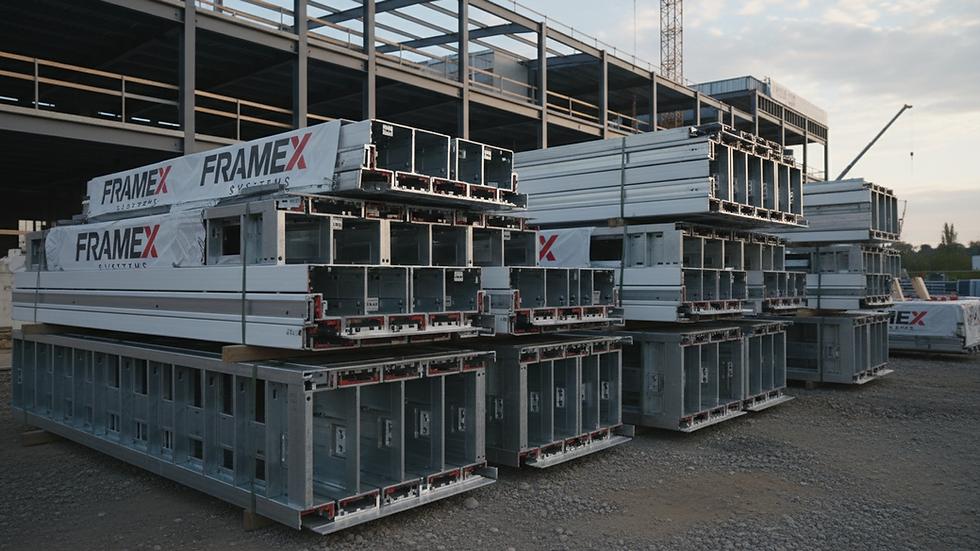
Prefabrication is becoming increasingly popular in the construction industry, and cold-formed steel framing is no exception. Off-site fabrication of CFS components allows for faster assembly on-site, reducing construction time and labor costs.
Integration of Technology
The integration of technology, such as Building Information Modeling (BIM), is enhancing the design and construction processes for cold-formed steel framing. BIM allows for better visualization, coordination, and collaboration among project stakeholders, leading to improved project outcomes.
Sustainable Practices
As sustainability becomes a priority in construction, cold-formed steel framing is well-positioned to meet these demands. Its recyclability and durability contribute to more sustainable building practices, and builders are increasingly seeking eco-friendly materials and methods.
Conclusion
Cold-formed steel framing is revolutionizing the construction industry by offering a lightweight, durable, and cost-effective alternative to traditional framing methods. Its numerous advantages, including enhanced construction speed, design flexibility, and improved quality control, make it an attractive option for various applications. As the industry continues to embrace innovation and sustainability, cold-formed steel framing will play a crucial role in shaping the future of construction.
By understanding the benefits and challenges of cold-formed steel, builders and architects can make informed decisions that lead to successful projects and satisfied clients. Embracing this modern approach to construction can ultimately streamline processes and improve overall project outcomes.


Comments