Why Panelized Steel Framing Benefits Engineers: Steel Framing Benefits for Engineers
- steve107563
- 3 days ago
- 3 min read
When it comes to modern construction, efficiency and precision are paramount. As someone deeply involved in the engineering side of building projects, I have witnessed firsthand how panelized steel framing transforms the way we approach structural design and construction. This method offers a streamlined, reliable, and innovative solution that addresses many challenges engineers face on-site. In this post, I will share insights into why panelized steel framing is a game-changer and how it benefits engineers throughout the project lifecycle.
Understanding Steel Framing Benefits for Engineers
Steel framing has long been recognized for its strength and durability, but panelized steel framing takes these advantages to the next level. Unlike traditional stick framing, panelized systems are pre-engineered and fabricated off-site, allowing for greater control over quality and precision.
Here are some key benefits that stand out for engineers:
Improved Accuracy: Panels are manufactured in controlled environments using precise machinery, reducing human error.
Time Savings: Pre-fabricated panels arrive ready to install, significantly cutting down on on-site labor and construction time.
Reduced Waste: Factory fabrication optimizes material use, minimizing scrap and environmental impact.
Enhanced Coordination: Integration of architectural and structural designs before fabrication helps identify and resolve potential issues early.
These benefits not only improve project outcomes but also simplify the engineer’s role in managing complex framing systems.
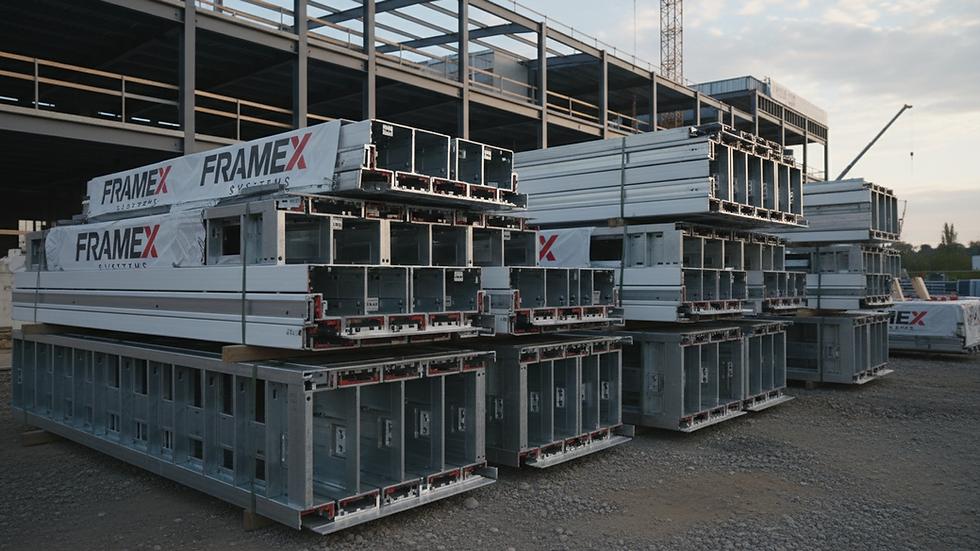
How Panelized Steel Framing Streamlines Project Workflow
One of the biggest challenges engineers face is coordinating between design and construction teams to avoid costly delays and rework. Panelized steel framing systems, like those offered by Framex Systems, provide a fully coordinated solution that integrates architectural and structural elements into a single package.
This integration means:
Early Detection of Conflicts: Potential clashes between mechanical, electrical, and plumbing systems can be identified and resolved during the design phase.
Installation-Ready Components: Panels come with pre-cut openings and attachment points, reducing guesswork on-site.
Simplified Logistics: With panels delivered in sequence, site management becomes more predictable and efficient.
By addressing these factors upfront, engineers can focus on quality control and oversight rather than firefighting problems during construction.
The Role of Engineering Precision in Panelized Steel Framing
Precision is critical in engineering, and panelized steel framing delivers it through advanced manufacturing techniques. Each panel is engineered to exact specifications using computer-aided design (CAD) and manufacturing (CAM) systems. This precision ensures:
Consistent Quality: Every panel meets strict tolerances, which is difficult to achieve with manual framing.
Structural Integrity: Engineered connections and load paths are verified before fabrication, enhancing safety.
Ease of Assembly: Panels fit together seamlessly, reducing the need for on-site modifications.
This level of accuracy not only improves structural performance but also builds confidence in the framing system’s reliability.

Practical Recommendations for Engineers Using Panelized Steel Framing
To maximize the benefits of panelized steel framing, engineers should consider the following best practices:
Engage Early with Fabricators: Collaborate with the panel manufacturer during the design phase to ensure all requirements are met.
Leverage BIM Models: Use Building Information Modeling to visualize and coordinate panels within the overall building system.
Plan for Logistics: Coordinate delivery schedules and site storage to maintain workflow continuity.
Train Installation Teams: Ensure crews understand the panelized system to avoid installation errors.
Monitor Quality Control: Conduct inspections at key milestones to verify panel integrity and alignment.
By following these steps, engineers can help ensure a smooth transition from design to construction, minimizing surprises and delays.
Why I Recommend Panelized Steel Framing for Engineers
In my experience, the biggest advantage of panelized steel framing is how it empowers engineers to deliver projects faster and with fewer complications. The ability to work with fully engineered, installation-ready components means less time spent troubleshooting on-site and more time focused on innovation and optimization.
If you want to explore this further, I encourage you to learn more about panelized steel framing for engineers and how it can elevate your next project.
Embracing the Future of Framing Systems
The construction industry is evolving, and so must the methods we use to build. Panelized steel framing represents a forward-thinking approach that aligns perfectly with the demands of modern engineering. By adopting these systems, engineers can:
Reduce project risk
Improve build quality
Accelerate timelines
Enhance collaboration across disciplines
Framex Systems is at the forefront of this revolution, delivering engineered and panelized cold-formed steel framing systems that are ready to install and fully coordinated. This approach eliminates common jobsite problems like delays and rework, helping projects move faster and more efficiently.
Incorporating panelized steel framing into your projects is not just a technical upgrade - it’s a strategic decision that drives better outcomes from start to finish.


Comments